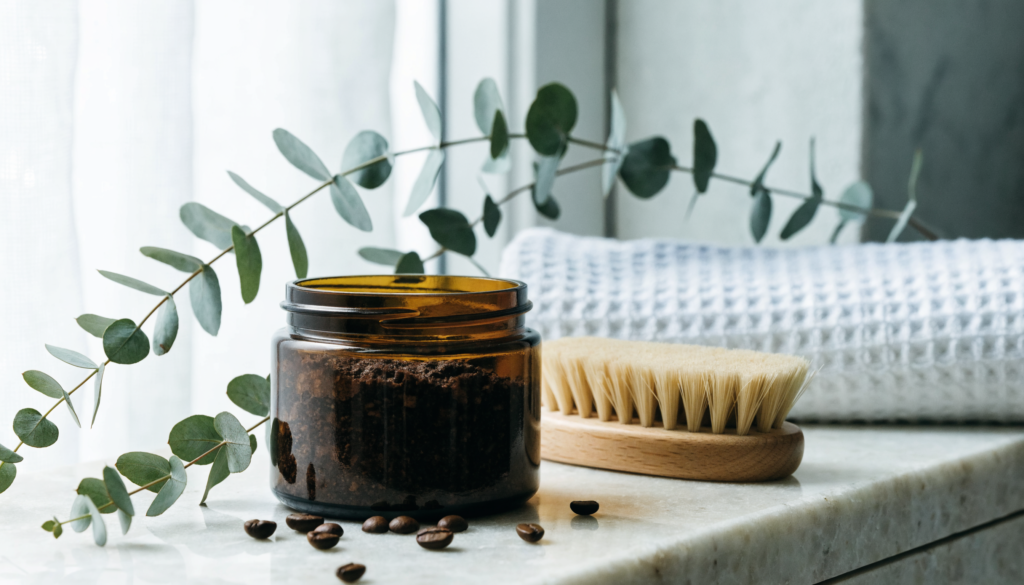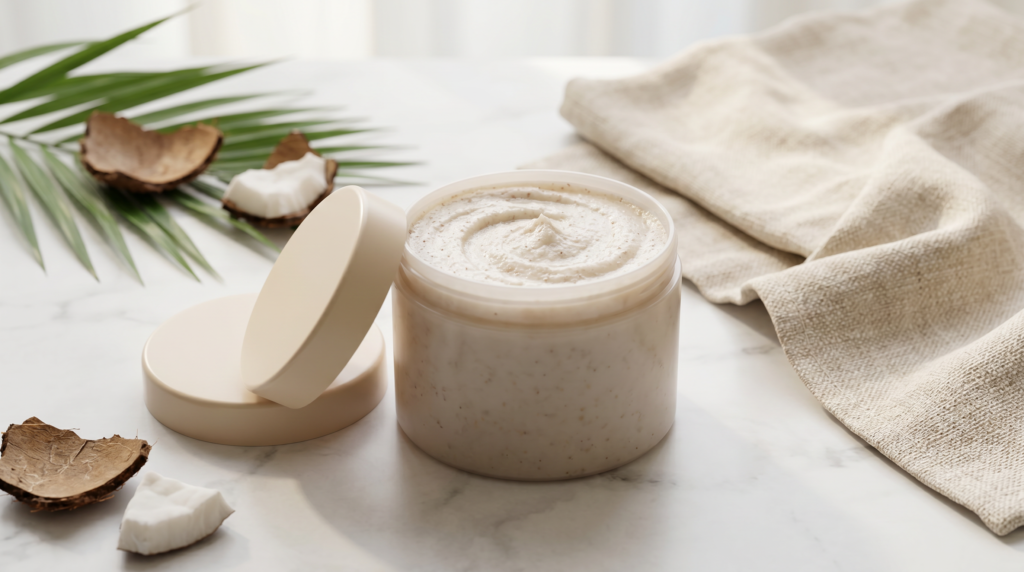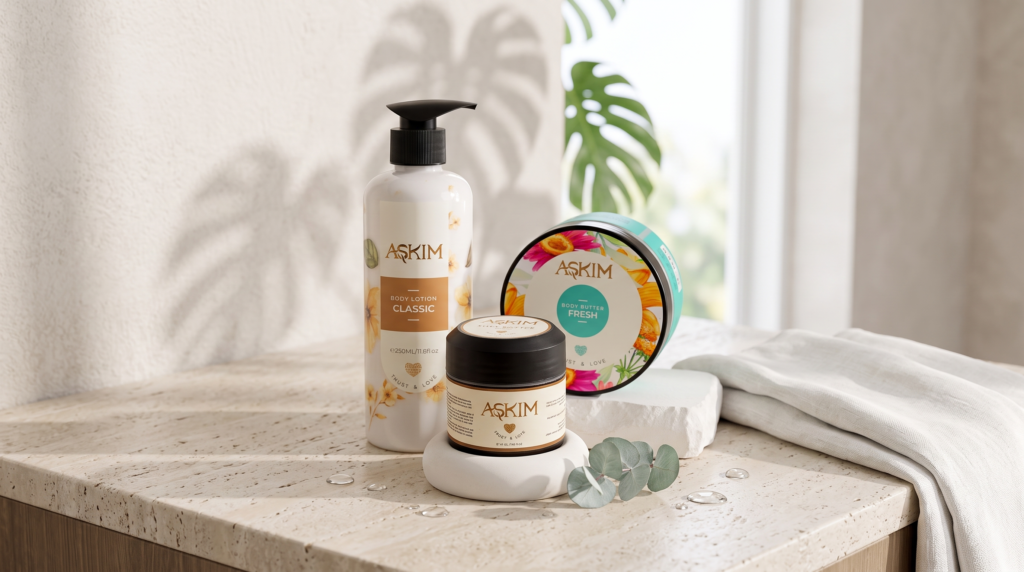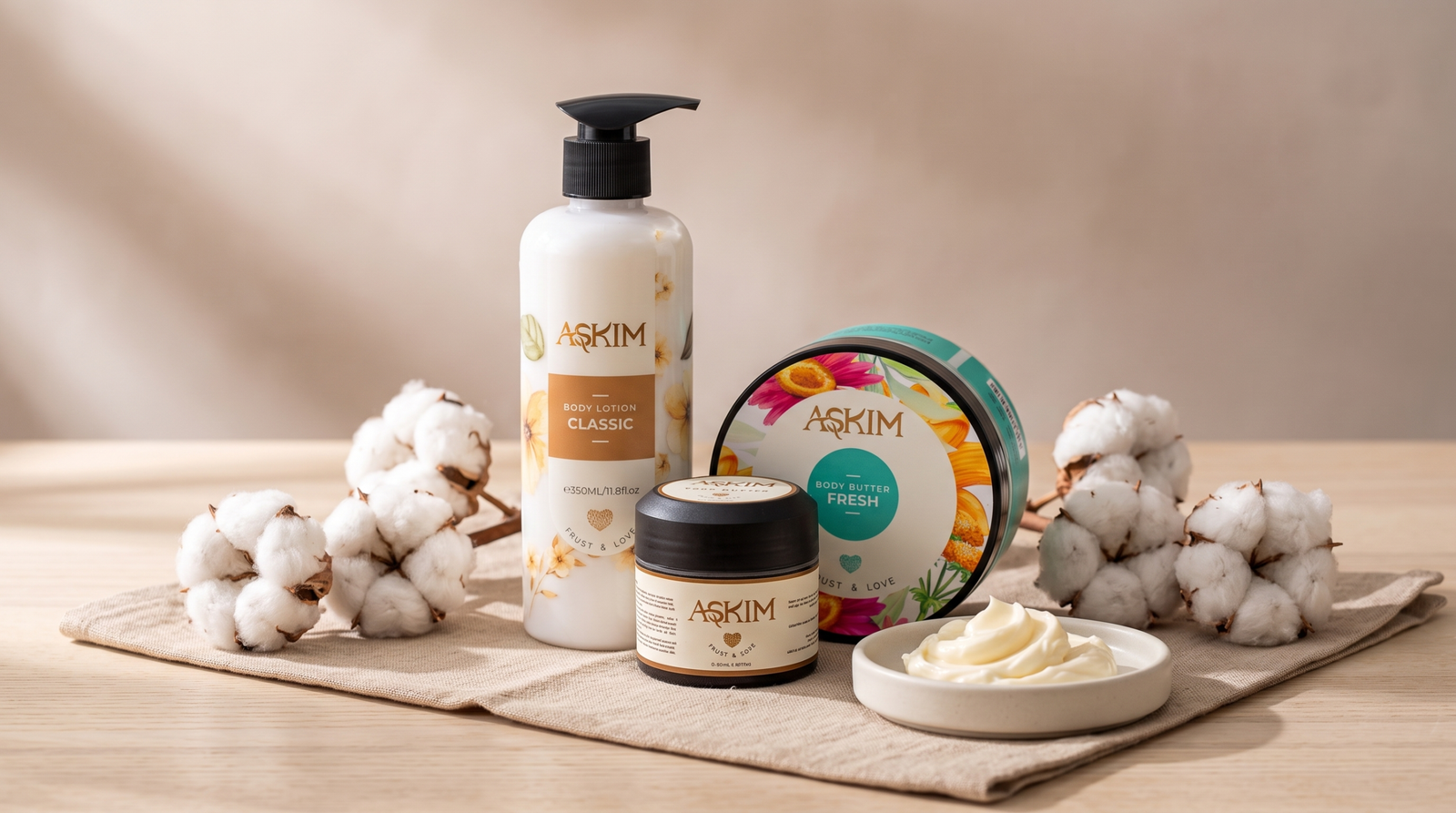
Body lotion and body butter sit side by side on most bathroom shelves, and many of us use the two names interchangeably — yet they are quite different products. The texture, the ingredients, and even the best moment to apply each one are not the same. In this guide, we break down the real differences between the two, explain which skin types benefit most from each, and help you choose with confidence — including Jordanian-made options from Askim that deliver high quality at a fair price.
What Is Body Lotion?
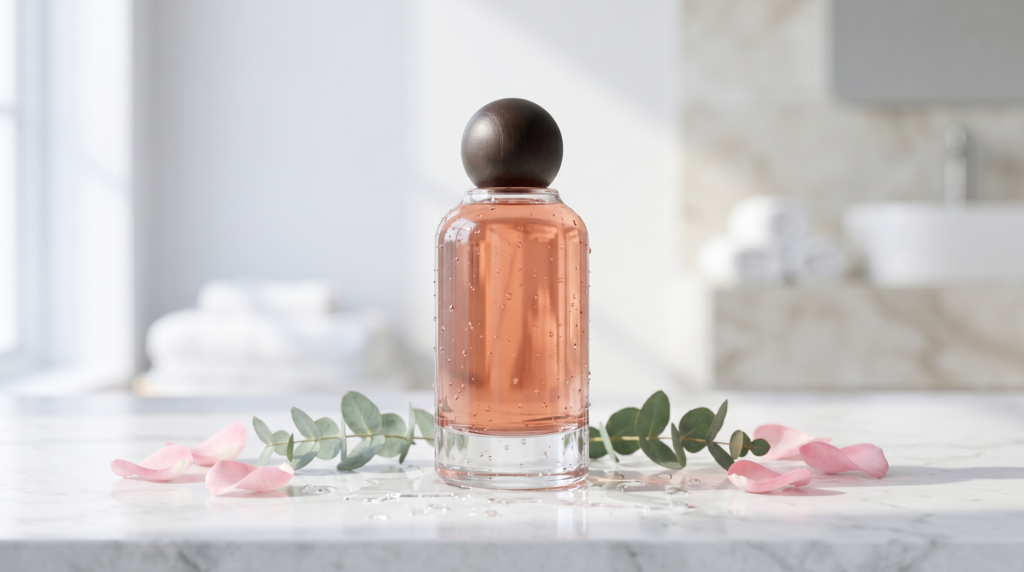
A body lotion is a lightweight moisturizer with a high water content blended with oils and humectants such as glycerin. Because it is mostly water, it spreads easily, absorbs within minutes, and leaves no greasy film on the skin.
That makes body lotion ideal for daily use, especially right after a shower when skin is still slightly damp and ready to lock in moisture. It suits normal to slightly dry skin, warm weather, and anyone who dislikes a heavy feel. Browse the Askim body lotion collection for scents and formulas made for everyday comfort.
What Is Body Butter?
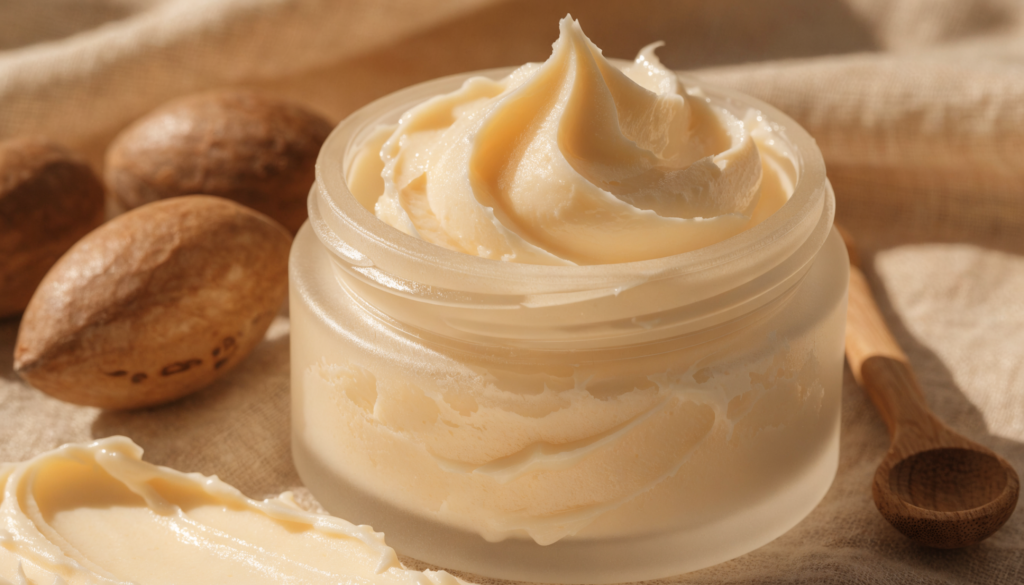
Body butter is a rich, dense moisturizer built on plant butters and oils — typically shea butter, cocoa butter, or coconut oil — with little to no water. The result is a thick cream that melts as you massage it in and forms a protective layer that slows moisture loss for hours.
Because it is so concentrated, a small amount goes a long way. Body butter shines in winter, on very dry areas such as elbows, knees, and heels, and for anyone whose skin still feels tight after lighter products. You can read more in our guide to shea body butter and its benefits.
Body Lotion vs Body Butter: The Key Differences
Here is how the two compare in practice:
- Texture: body lotion is fluid and light; body butter is thick and creamy.
- Absorption: lotion sinks in within minutes; butter takes longer and leaves a soft, protective finish.
- Hydration level: lotion offers everyday hydration; butter provides deep, long-lasting nourishment.
- Best season: lotion works well in summer and humid weather; butter is a winter essential.
- Best use: lotion for the whole body daily; butter for dry zones and overnight care.
Which One Suits Your Skin Type?
If your skin is normal or gets only mildly dry, a daily body lotion after your shower is usually enough. If your skin is very dry, flaky, or feels tight in cold months, body butter will serve you better thanks to its richer texture.
Dermatologists also recommend applying any moisturizer within a few minutes of bathing to trap water in the skin — see these dermatologists’ tips for relieving dry skin from the American Academy of Dermatology.
Can You Use Both Together?
Absolutely — many people get the best results by layering. Use a light body lotion every morning so your skin stays comfortable under clothes, then apply body butter at night or on rough spots that need extra care. In Jordan’s dry climate, this combination keeps skin soft year-round without feeling heavy. Since Askim products are made locally with quality ingredients at accessible prices, keeping both in your routine doesn’t have to strain your budget.
Frequently Asked Questions
Which is better for very dry skin: body lotion or body butter?
Body butter is generally the better choice for very dry skin because its concentrated butters and oils create a barrier that locks moisture in for longer. A lotion can still be used during the day for comfort.
Can I use body butter on my face?
Body butter is formulated for the body and is usually too rich for facial skin, where it may feel heavy or clog pores. It is best to use products designed specifically for the face.
When is the best time to apply body lotion?
The best time is within three to five minutes after showering, while your skin is still slightly damp. This helps seal water into the skin and keeps it hydrated through the day.